Looking for the right part of Morgan Hill can feel harder than narrowing down the right house. One area may offer a more walkable daily routine, while another gives you more land, a newer layout, or easier access to trails and open space. If you want to understand how Morgan Hill neighborhood styles and home types really differ, this guide will help you sort through the city’s main housing patterns and choose a better fit for your goals. Let’s dive in.
Morgan Hill Housing at a Glance
Morgan Hill sits about 10 miles south of San Jose, but its housing mix is not one-size-fits-all. City data shows that detached single-family homes still make up the largest share of the housing stock at 59.0%.
That same city data also shows a wider mix than many buyers expect. About 17.7% of homes are single-family attached, 5.5% are small multifamily, 9.8% are medium or large multifamily, and 8.0% are mobile homes.
A large share of Morgan Hill homes were built from 1980 to 1999, with 11.6% built since 2010. That means you can find both established neighborhoods with more traditional suburban layouts and newer projects that reflect more recent planning trends.
Why Morgan Hill Feels So Varied
A big reason Morgan Hill feels so different from one pocket to the next is its broad zoning range. The city includes estate-style districts with 1- to 10-acre lots, detached-home districts with lot sizes from 20,000 square feet down to 4,500 square feet, plus attached and mixed-use districts.
In practical terms, that creates very different neighborhood experiences. You may see larger-lot homes with a more spacious feel in one area, then find compact attached housing or mixed residential patterns in another.
For buyers, that is good news. It means Morgan Hill gives you more than one path, whether you want walkability, newer construction, more privacy, or a wider range of home types.
Established In-Town Neighborhoods
Older in-town areas in Morgan Hill are often tied to long-standing single-family zoning categories such as R1-7,000, R1-12,000, and R1-20,000. These labels still help describe the pattern of many existing homes and additions in the city.
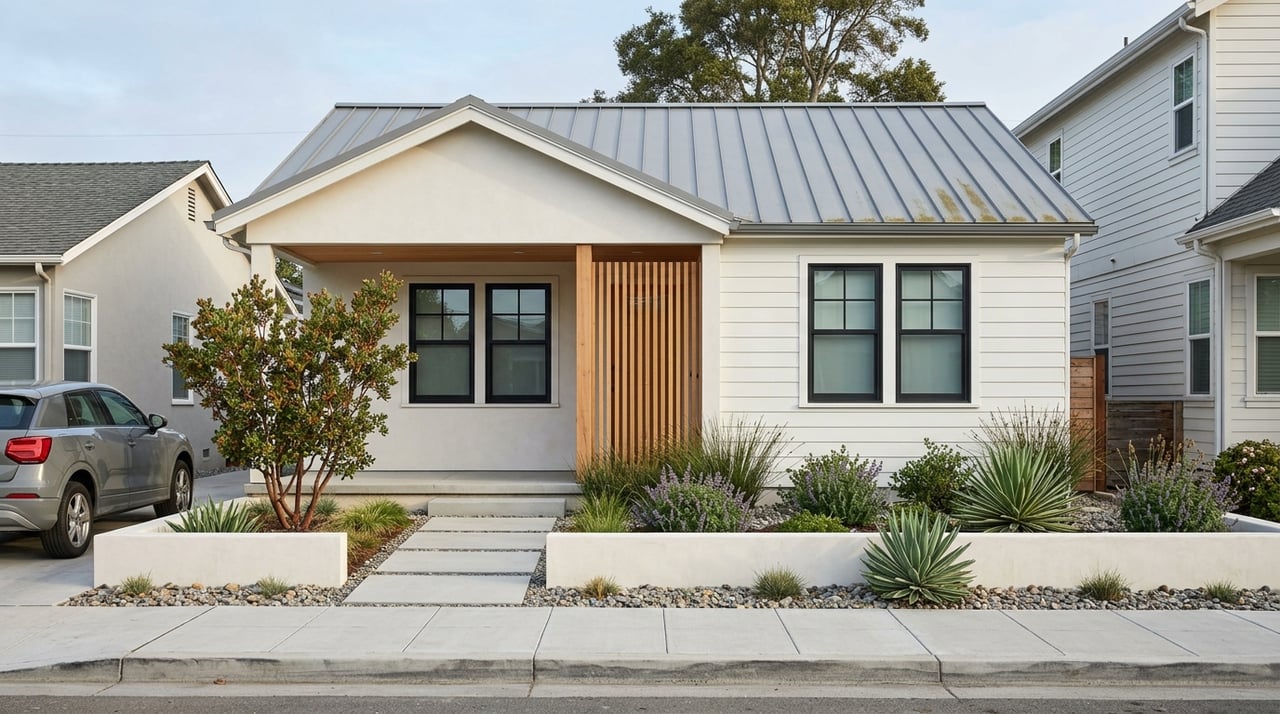
What that usually means on the ground is detached homes on moderate-to-larger suburban lots. Compared with some newer developments, these areas often feel less compact and more traditional in layout.
If you prefer established streets, detached homes, and a more classic suburban setup, these neighborhoods may be a strong place to start. They can offer a different feel from newer master-planned sections of the city.
What Buyers Often Notice
In many established in-town areas, the lot pattern is a key part of the appeal. You may find more separation between homes and a neighborhood layout that reflects earlier phases of Morgan Hill’s growth.
These areas can be useful to explore if your priority is a detached home rather than an attached product like a duet, condo, or townhome-style property. They also give you a clearer picture of Morgan Hill’s long-standing residential character.
Downtown and Downtown-Adjacent Homes
Downtown Morgan Hill follows a different pattern from many of the city’s larger-lot neighborhoods. The Downtown Specific Plan covers 115 acres bounded by Main Avenue, Butterfield Boulevard, Dunne Avenue, and Del Monte Avenue, and it supports higher-density housing around the core.
Nearby zoning also allows more compact residential development. In the CC-R area, maximum density can reach 20 dwelling units per acre, and within the downtown framework, the R2 district allows detached or attached single-family homes with a minimum lot area of 3,400 square feet.
For you as a buyer, that usually translates to homes that are more compact and more mixed in type than those farther from the center of town. This is often the best starting point if you want a more connected, in-town routine.
Why Downtown Appeals to Buyers
The city describes downtown as home to more than 100 independent businesses, along with regular events and civic destinations like the Community and Cultural Center, the Amphitheatre, the Playhouse, and Railroad Park. The Caltrain station area is also at the south end of the downtown core.
If you want restaurants, events, and transit access to play a larger role in daily life, downtown and the station area are worth close attention. In Morgan Hill, this is the clearest match for buyers looking for a walkable lifestyle.
Newer Planned Communities
If your search is focused on newer construction, Morgan Hill’s planned communities show where the city’s housing mix is expanding. Recent projects include a broader blend of detached and attached homes than you may see in older in-town neighborhoods.
For example, New Horizons proposes 320 lots that include one- and two-story detached homes, court-style homes, senior cottages, and multifamily homes. Crosswinds proposes 269 units on about 31 acres, including 56 single-family homes, 64 duets, and 149 condo units.
This matters because newer neighborhoods are not just delivering one product type. They are creating more options for buyers who want lower-maintenance living, smaller lots, or a newer floor plan.
What Newer Communities Tend to Offer
A public notice for New Horizons states that the project includes lot sizes ranging from about 7,000 to 3,040 square feet. The same filing describes about six acres of private open space and four acres of public open space.
That gives you a good sense of how newer communities differ from older parts of Morgan Hill. They are more likely to combine smaller lots, shared open space, and a variety of housing forms within the same development.
In simple terms, newer planned communities may be a fit if you want:
- Newer construction styles
- A mix of detached and attached options
- Smaller-lot living
- Shared open space within the neighborhood
- More product variety in one area
Rural-Feeling and Edge Properties
Morgan Hill is also known for a setting that extends beyond typical suburban streets. City materials highlight rolling hills, vineyards, pick-your-own farms, lakes, golf courses, hiking trails, and open space around the community.
For some buyers, that backdrop is a major reason to focus on edge-of-city or estate-style areas. These parts of the market can feel more landscape-driven and less uniform than a standard subdivision setting.
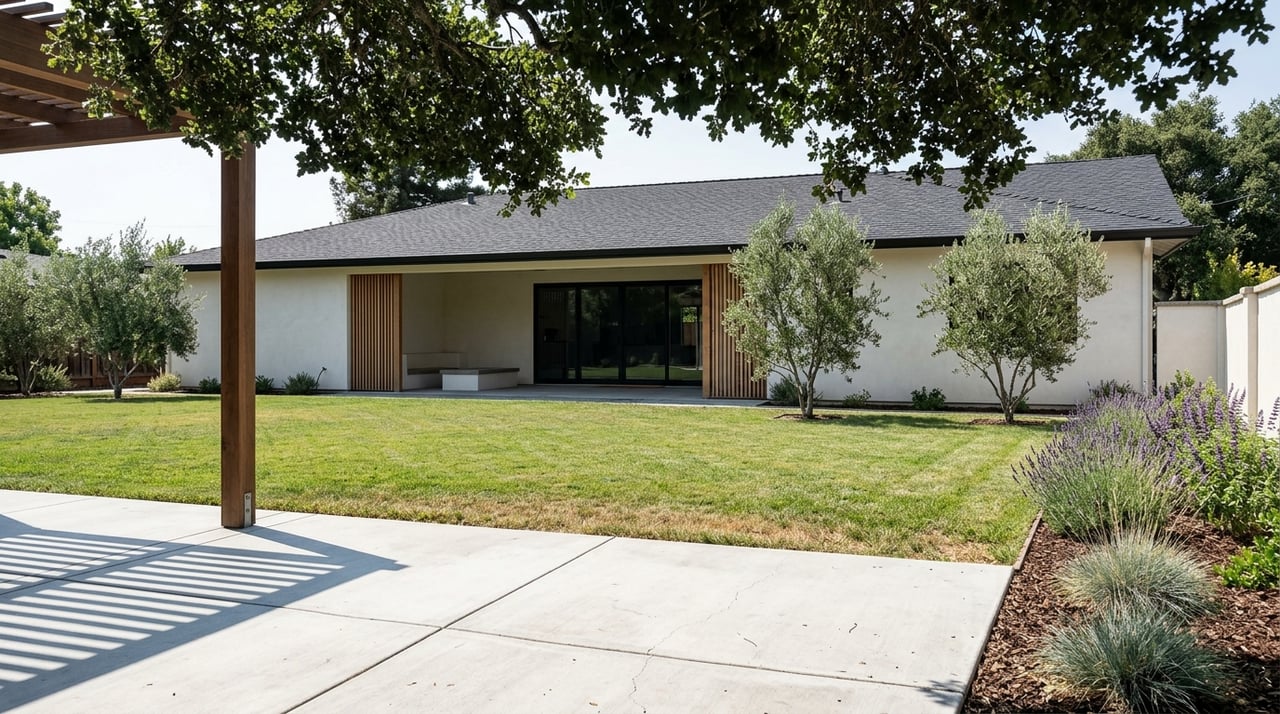
If your top priorities are privacy, more room, or a more country-like atmosphere, the city’s estate districts are worth studying first. These include RE 10, RE 2.5, and RE 1, along with detached-home districts that range from 20,000-square-foot lots down to 4,500-square-foot lots.
Outdoor Access Near Home
Morgan Hill also offers strong access to parks and trails. The city highlights destinations such as Coyote Creek Trail, Harvey Bear Ranch County Park, Henry W. Coe State Park, and Coyote Valley Open Space Preserve.
For closer-to-home recreation, the city also points to neighborhood parks and quick-break trails like Edmundson Creek Trail, West Little Llagas Creek Trail, and Madrone Channel Trail. If outdoor access matters to your daily routine, this can be an important part of neighborhood fit.
How to Match Home Type to Lifestyle
The best Morgan Hill neighborhood for you depends less on a single "best area" and more on how you want to live. A clear way to approach the search is to start with your routine, then match that routine to the city’s housing patterns.
Here is a simple framework to use:
Start Downtown for Walkability
If you want restaurants, events, independent businesses, and transit access nearby, begin with downtown and the station area. These areas are more likely to offer compact lots and a wider mix of home types.
Look at Planned Communities for Newer Options
If newer construction is high on your list, focus on Morgan Hill’s more recent projects. These communities are more likely to include detached homes, duets, condos, and shared open space.
Study Edge Areas for Space and Privacy
If your priority is more land or a less compact setting, look first at estate-zoned and edge-of-city properties. These areas may better match buyers who want a more spacious or rural-feeling environment.
Check Parks and Trails for Daily Recreation
If recreation is part of your weekly routine, pay attention to homes near Community Park, Galvan Park, Nordstrom Park, Paradise Park, Railroad Park, Oak Creek Park, and the local trail network. That can shape how convenient a neighborhood feels long after move-in day.
What This Means for Your Search
Morgan Hill is still primarily a detached-home market, but the city’s planning direction shows a steady expansion of attached and multifamily options, especially in newer projects and downtown-adjacent areas. That gives you more flexibility than the city’s single-family reputation might suggest.
For buyers, the key is knowing that Morgan Hill is not just one housing story. It is a collection of neighborhood styles, from traditional in-town detached homes to compact downtown living, newer mixed-product communities, and larger-lot properties with a more open feel.
When you understand those patterns early, it becomes much easier to narrow your search and spend time in the areas that truly fit your goals. If you want help comparing Morgan Hill neighborhoods, home types, or lifestyle tradeoffs, connect with Ted Mendoza for clear guidance and experienced local support.
FAQs
What types of homes are most common in Morgan Hill?
- Detached single-family homes are the most common, making up 59.0% of the housing stock, with attached homes, multifamily housing, and mobile homes making up the rest.
Which part of Morgan Hill is best for walkable living?
- Downtown and the station area are the strongest starting points if you want a more walkable routine with access to businesses, events, and transit.
Are there newer planned communities in Morgan Hill?
- Yes. Recent projects such as New Horizons and Crosswinds show a mix of newer detached homes, duets, condos, multifamily housing, and shared open space.
Where should you look in Morgan Hill for larger lots?
- Estate-zoned and edge-of-city areas are a smart place to start if you want more land, more privacy, or a more country-like setting.
Are downtown Morgan Hill homes usually on smaller lots?
- In many downtown-adjacent areas, yes. The city allows more compact housing there, including R2 zoning with a minimum lot area of 3,400 square feet.
How can you choose the right Morgan Hill neighborhood style?
- Start with your daily priorities, such as walkability, newer construction, outdoor access, or lot size, then focus on the parts of Morgan Hill that match those goals.