Ever wonder what daily life in Capitola actually feels like once the weekend visitors head home? If you are thinking about buying in this small coastal city, it helps to look beyond the postcard views and picture your real routine. From beach mornings and coffee stops to parking patterns, neighborhood character, and seasonal events, here is what you can expect when you live in Capitola. Let’s dive in.
Capitola at a Glance
Capitola is a compact coastal city on Monterey Bay at the mouth of Soquel Creek. According to the latest Census QuickFacts estimate, the population was 9,340 in July 2025, and the city covers just 1.59 square miles of land area.
That small scale shapes everyday life in a big way. You are not moving to a sprawling suburb. You are choosing a town with a beach-centered identity, a defined commercial core, and residential areas that sit close to the action.
The city describes Capitola as California’s oldest seaside resort, with roots going back to Camp Capitola in 1869 and incorporation in 1949. Today, that history still shows up in the town’s layout, architecture, and village atmosphere.
Daily Life Feels Close By
One of the biggest draws of living in Capitola is convenience within a small footprint. In and around Capitola Village, many errands and outings can happen within a short radius, especially if you enjoy walking between coffee, meals, shops, and the beach.
A city hazard mitigation profile describes Capitola Village as a visitor-serving district with about 45 tourist shops, 20 restaurants, 10 cafes, 4 hotels, and 30 vacation rentals. That concentration gives the area an active, lived-in feel, even though it is also a visitor destination.
You also have options outside the Village. The city notes that farther west along 41st Avenue, you will find the county’s only indoor mall along with additional shopping, hotels, and dining.
Coffee, errands, and everyday stops
If you like to build small rituals into your day, Capitola makes that easy. Current tourism listings show coffee spots in both the Village and on 41st Avenue, including Mr. Toots Coffeehouse on Esplanade and Verve Coffee Roasters on 41st Avenue.
On the opposite side of Soquel Creek, the city says there is a public library, several well-used parks, and established neighborhoods. That matters because it reinforces something buyers often want to know: Capitola is not just a beach stop. It functions as a real residential town.
The Beach Is Part of Real Life
In Capitola, the beach is not only something you visit once in a while. For many residents, it becomes part of the weekly rhythm, whether that means walking by the water, meeting friends near the Village, or catching an evening by the Esplanade.
At the same time, beach access comes with rules and routines. The city posts real-time beach conditions, operates a seasonal lifeguard service, and prohibits dogs on Capitola beaches.
That means beach living here is active but managed. If you picture regular waterfront time as part of your lifestyle, Capitola supports that well, but it also helps to know the local rules before you settle in.
Summer Energy Is Real
Capitola has a strong seasonal pulse, and summer brings the biggest change in tempo. If you enjoy an active coastal setting, that can be a major plus. If you prefer a quieter environment year-round, it is something to weigh carefully.
The city calendar includes recurring community events that draw both residents and visitors. Food Truck Friday runs from May through August at Monterey Ave Park, Twilight Concerts take place on Wednesday evenings in summer at the Esplanade bandstand, and Movies at the Beach offers free dusk screenings in Esplanade Park.
The Village also hosts annual events like the Capitola Art & Wine Festival in the fall. The city also identifies the Capitola Beach Festival as part of a continuing September tradition.
What that means for residents
For many people, this is part of the appeal. There is usually something going on during the warmer months, and it is easy to join in without a long drive or a lot of planning.
The flip side is that you should expect a more active atmosphere in peak season. Streets, shops, and parking areas tend to reflect that energy, especially near the beach and Village.
Parking Is Part of the Lifestyle
In a compact beach town, parking is not a side note. It is part of daily life, especially if you live near the Village or spend time there during busy periods.
The city says the Beach and Village lots have more than 220 spaces. Parking costs $1 per hour with a 12-hour maximum, and village parking is time-limited.
There is also a free summer shuttle from the lots to the Village on weekends and holidays from Memorial Day weekend through mid-September. That can make warm-weather outings easier, especially when the Village gets busy.
For buyers, this is a good example of why lifestyle fit matters. A compact, beach-centered town often means trading easy parking for walkability, charm, and close access to amenities.
Neighborhood Character Varies
Capitola may be small, but it is not one-note. Different parts of town offer different housing styles and street character, which can shape how your day-to-day life feels.
The city’s Housing Element says older Victorian-era homes and small cottages on small lots are common in Depot Hill, the Village, and parts of the Jewel Box. In contrast, Cliffwood Heights, Upper Village, and 41st Avenue are described as newer and more suburban in feel.
Many single-family lots are under 4,000 square feet, and the city says new housing is mostly infill rather than large-scale expansion. In simple terms, Capitola is largely built out, and that contributes to its compact feel.
Older homes and smaller lots
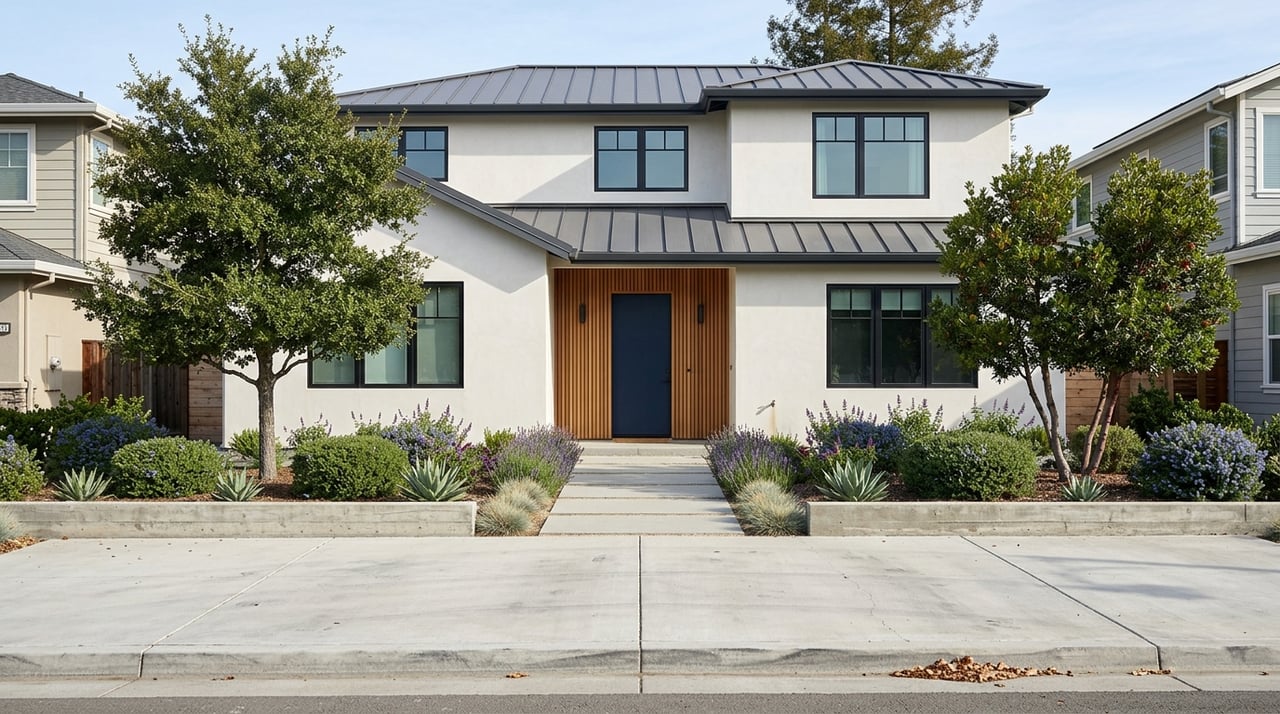
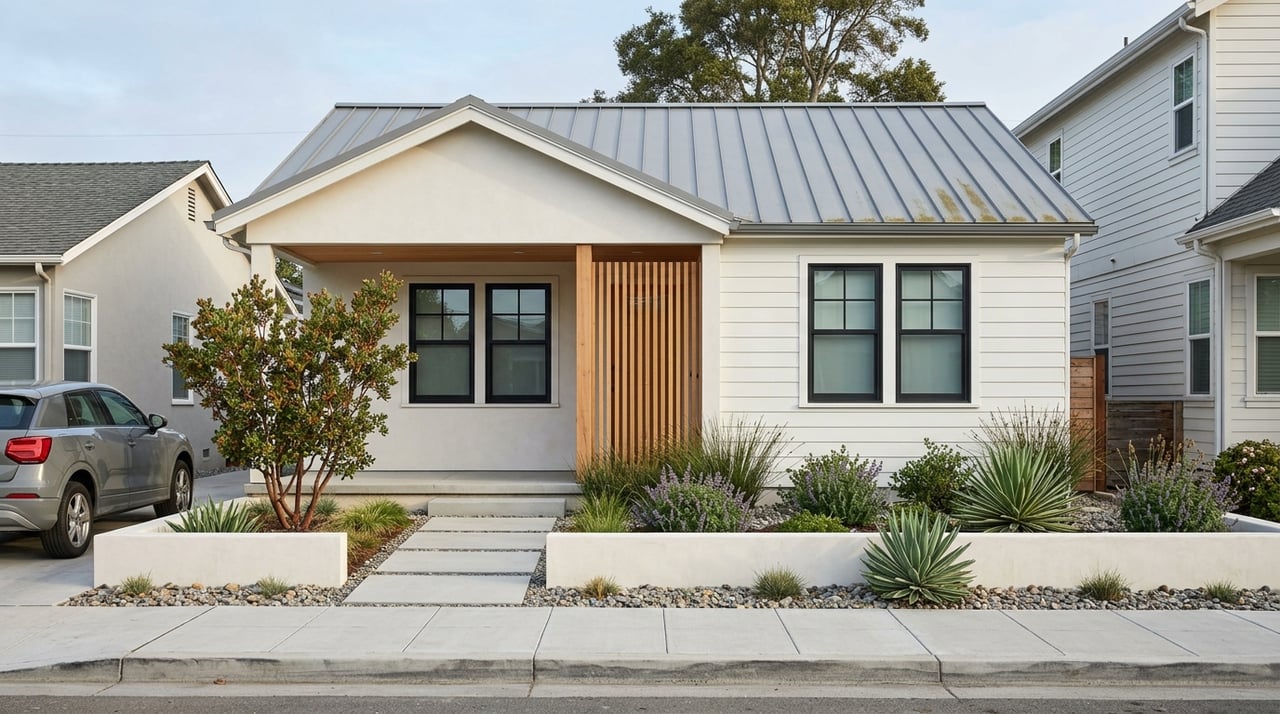
If you love character, this can be a great match. The city’s architectural survey points to a mix of Vernacular cottages, Craftsman bungalows, Queen Anne and Victorian influences, and shingled seaside cottages.
If your priority is a large lot, newer tract-style layout, or room to spread out, Capitola may feel more limited. Much of its appeal comes from charm, location, and scale rather than size.
Housing Mix and Ownership Snapshot
Capitola’s housing stock is varied, but it leans more heavily toward attached housing than some buyers expect. The Housing Element says the city’s housing stock is mostly attached multifamily, with 36 percent single-family detached homes and 10 percent single-family attached homes.
Current Census QuickFacts data show a 52.2 percent owner-occupied rate. The same source reports a median owner-occupied value of $783,000, median gross rent of $2,512, and median household income of $102,976.
Those numbers help frame the market, but they do not tell the whole story of fit. In a town like Capitola, the bigger question is often how much you value living close to the coast, close to the Village, and close to a strong local identity.
Year-Round Living Beyond Summer
Capitola is often associated with beach days and warm-weather events, but it has year-round appeal too. The city highlights the wharf and the Capitola Historical Museum as ongoing points of interest outside peak beach season.
That matters if you plan to live here full time rather than use the area as an occasional getaway. Even when summer crowds fade, the town still offers a recognizable daily rhythm built around its neighborhoods, waterfront, and local businesses.
The public library and parks on the other side of Soquel Creek also support that everyday balance. They help round out the experience so Capitola feels like a place to live, not just a place to visit.
Who Capitola Often Fits Best
Based on the city and Census data, Capitola tends to work well for people who want a compact coastal routine and a strong sense of place. If you like the idea of a beach-centered town with local events, walkable pockets, and distinct neighborhood character, it has a lot to offer.
It may be less ideal if your top priorities are large lots, simple summer parking, or a low-tourism environment. Those tradeoffs are part of what makes Capitola feel unique.
If you are comparing Capitola with nearby areas, it helps to think beyond price alone. The real question is whether you want your day-to-day life to feel connected to the beach, the Village, and a small-town coastal rhythm.
If that sounds like your kind of lifestyle, working with a local team can help you narrow in on the right part of town, the right property type, and the right expectations before you make a move. When you are ready to explore Capitola real estate with local guidance, connect with Ted Mendoza.
FAQs
What is everyday life like in Capitola, California?
- Everyday life in Capitola is shaped by its small size, beach access, Village businesses, nearby parks, and active seasonal event calendar.
Is Capitola a walkable place to live?
- In and around Capitola Village, many daily outings can happen within a short distance, especially for coffee, dining, shops, and beach access.
What is parking like when you live in Capitola?
- Parking is a real part of daily life in Capitola, with more than 220 spaces in the Beach and Village lots, paid hourly parking, and time-limited village parking.
What types of homes are common in Capitola?
- Capitola includes older cottages and Victorian-era homes in areas like Depot Hill and the Village, plus newer and more suburban-feeling areas such as Cliffwood Heights, Upper Village, and 41st Avenue.
Is Capitola only busy during tourist season?
- Summer brings more activity and events, but Capitola also has year-round features like the wharf, historical museum, library, parks, and established residential neighborhoods.
Is Capitola a good fit for buyers who want large lots?
- Many single-family lots in Capitola are under 4,000 square feet, so buyers looking for larger lots may find the town less aligned with their priorities.